
“When a Defender Decides It Has Nothing Left to Prove”
There are vehicles that become icons because they are beautiful. Others earn that status because they are fast, luxurious, rare, or fashionable. Then there is the Land Rover Defender, a vehicle that earned its reputation the hard way; through decades of mud, rock, rain, farms, expeditions, military service, and the simple expectation that it would keep going when the road had long since stopped being a road.
The Defender has always had character. Earlier examples could be agricultural, noisy, and about as refined as a work boot, but nobody bought one expecting a drawing-room experience. They bought it because it looked like it could get to the end of the world and back, with enough scratches along the way to prove that it had actually tried and did it.
Today’s Defender is a very different machine. It is refined, technologically advanced, comfortable enough for a downtown dinner reservation, and fashionable enough to appear outside the Pac Rim. Yet, underneath the premium materials and large infotainment screen, it has managed to retain that sense of purpose.
The 2026 Defender OCTA takes that idea and turns the volume all the way up.
Calling the OCTA a performance version of the Defender does not quite tell the whole story. This is not simply a Defender with a louder exhaust, larger wheels, and an alphabet soup of cosmetic badges. Land Rover has gone much deeper than that.
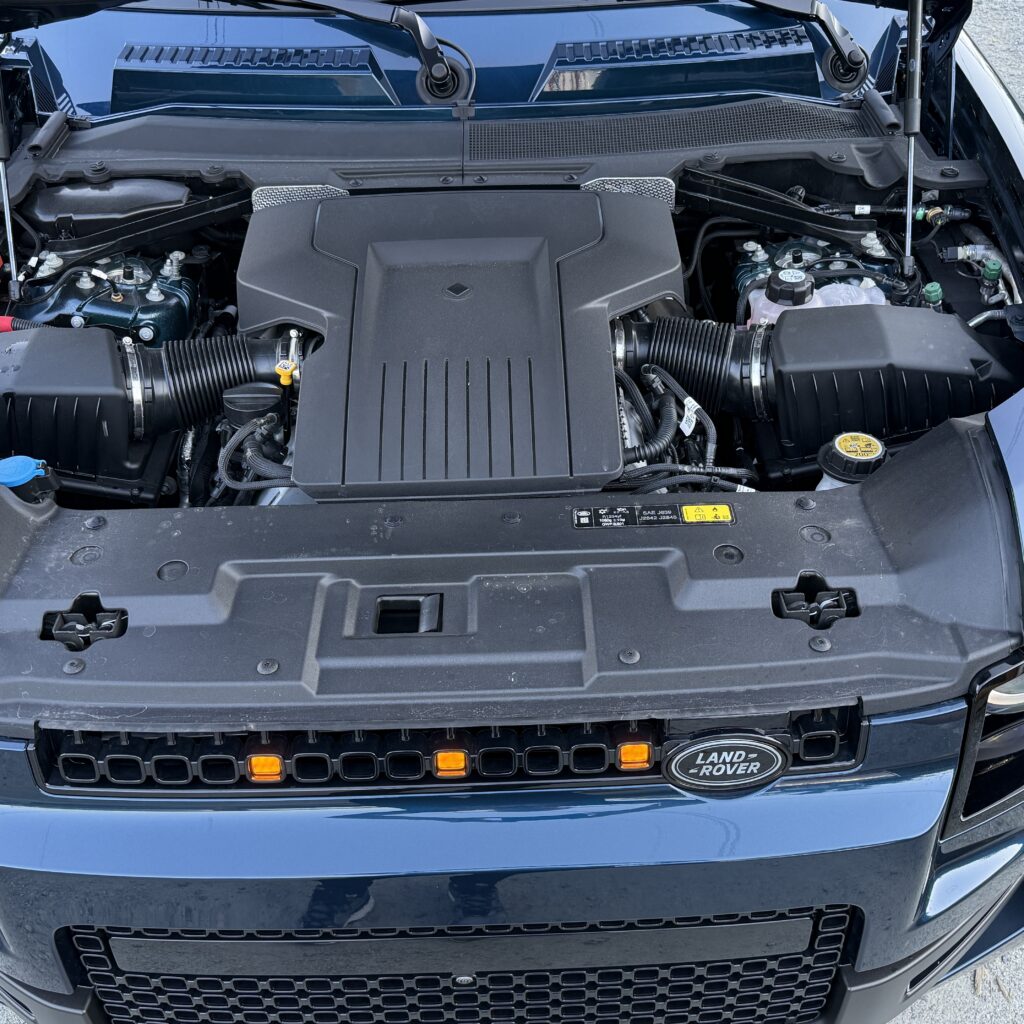
At its core is a 4.4-litre twin-turbocharged V8 with 48-volt mild-hybrid assistance (thank you BMW M division). It produces 626 horsepower and 553 lb-ft of torque, with up to 590 lb-ft available in Dynamic Launch Mode. Power is routed through an eight-speed automatic transmission and a full-time four-wheel-drive system, allowing this some what large, upright luxury SUV to reach 100 km/h in approximately four seconds accompanied with an exquisite, all be it unusual, soundtrack.
Let that sink in for a moment.
This is a Defender. A vehicle whose ancestors were once content to make slow but determined progress across a field is now capable of accelerating with the sort of urgency normally associated with serious sports cars. On a dry stretch of road, the OCTA is less “go anywhere” and more “get there before anyone else has finished reading the map.”
It is absurd, and it is magnificent.
Of course, more power alone does not make a great performance SUV. Anyone can take a large vehicle, install a powerful engine, fit aggressive tires, and hope the chassis can keep up. The result is often entertaining in a straight line but less convincing when a series of corners begins asking difficult questions.
The OCTA has answers.
Land Rover equips it with its 6D Dynamics suspension system, a hydraulically interconnected suspension setup designed to reduce body roll on-road while still allowing substantial wheel articulation when the terrain turns difficult. It has the ability to alter the characteristics of a tall SUV’s road manners.
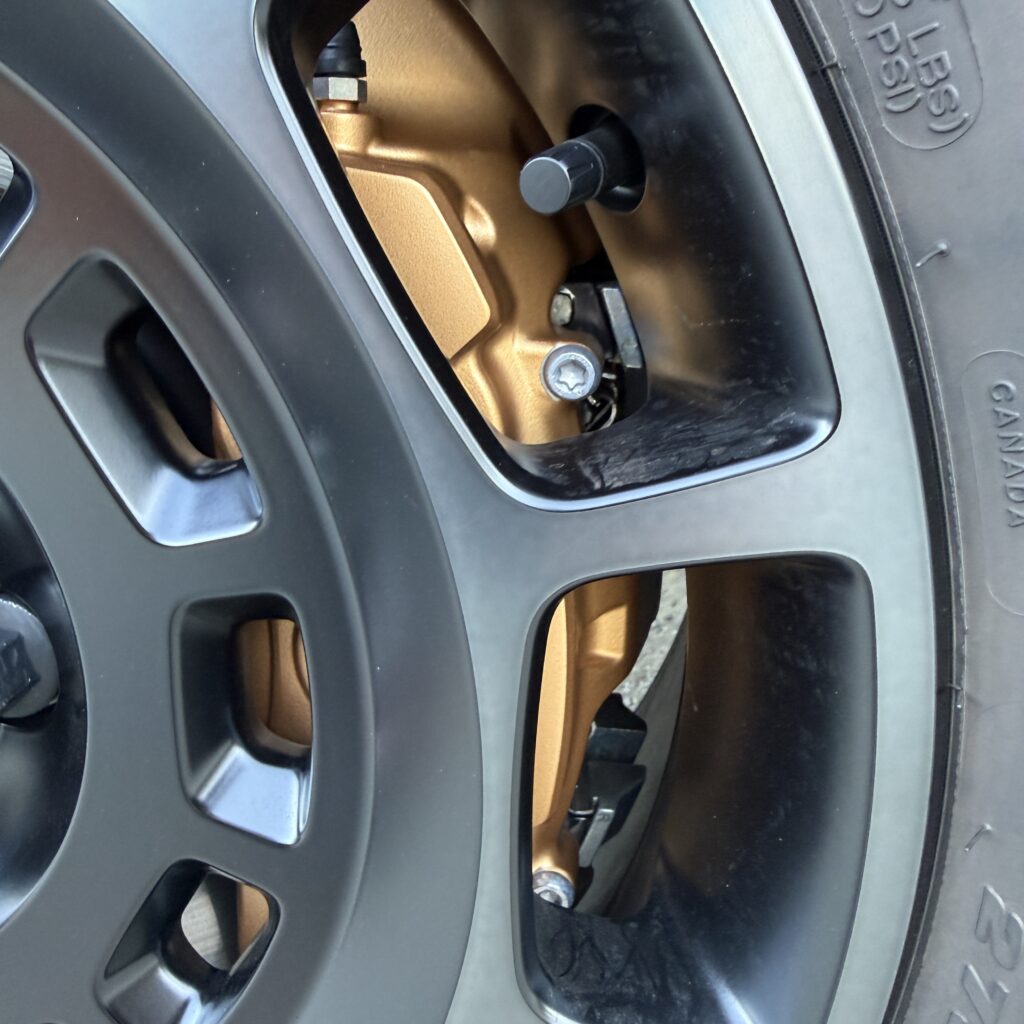
The OCTA also receives revised steering, upgraded brakes, a widened stance, altered suspension geometry, and a dedicated OCTA mode. The latter is intended to maximize control and traction during loose-surface driving, while the Defender retains serious off-road hardware, including a two-speed transfer case and electronically controlled locking differentials.
This matters because the Defender OCTA is not pretending to be a sport utility vehicle. It actually is one.
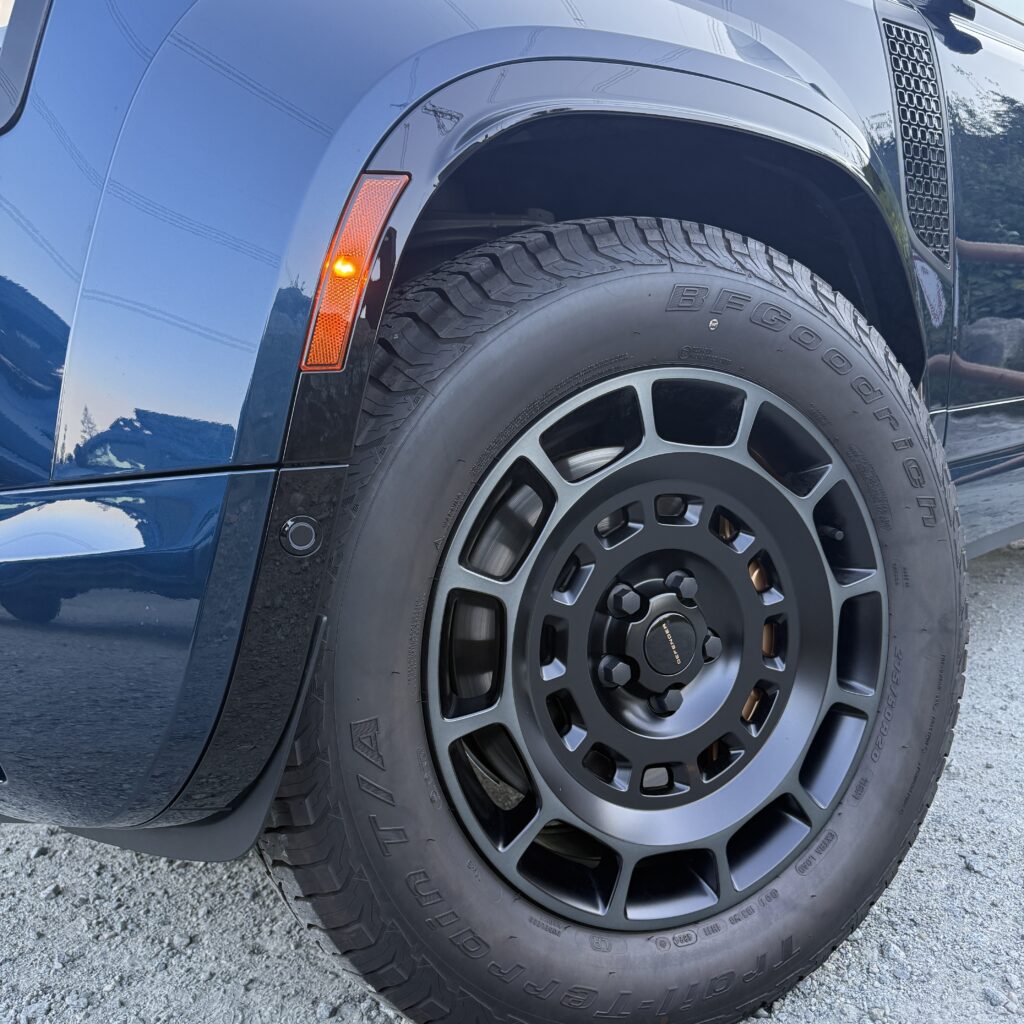
It can charge through a set of corners with remarkable composure, then turn around and tackle terrain that would have many high-performance SUVs calling for a flatbed. The OCTA’s available 33-inch all-terrain tires, substantial ground clearance, and increased wading ability reinforce the point: this is performance engineering with mud on its racing boots.
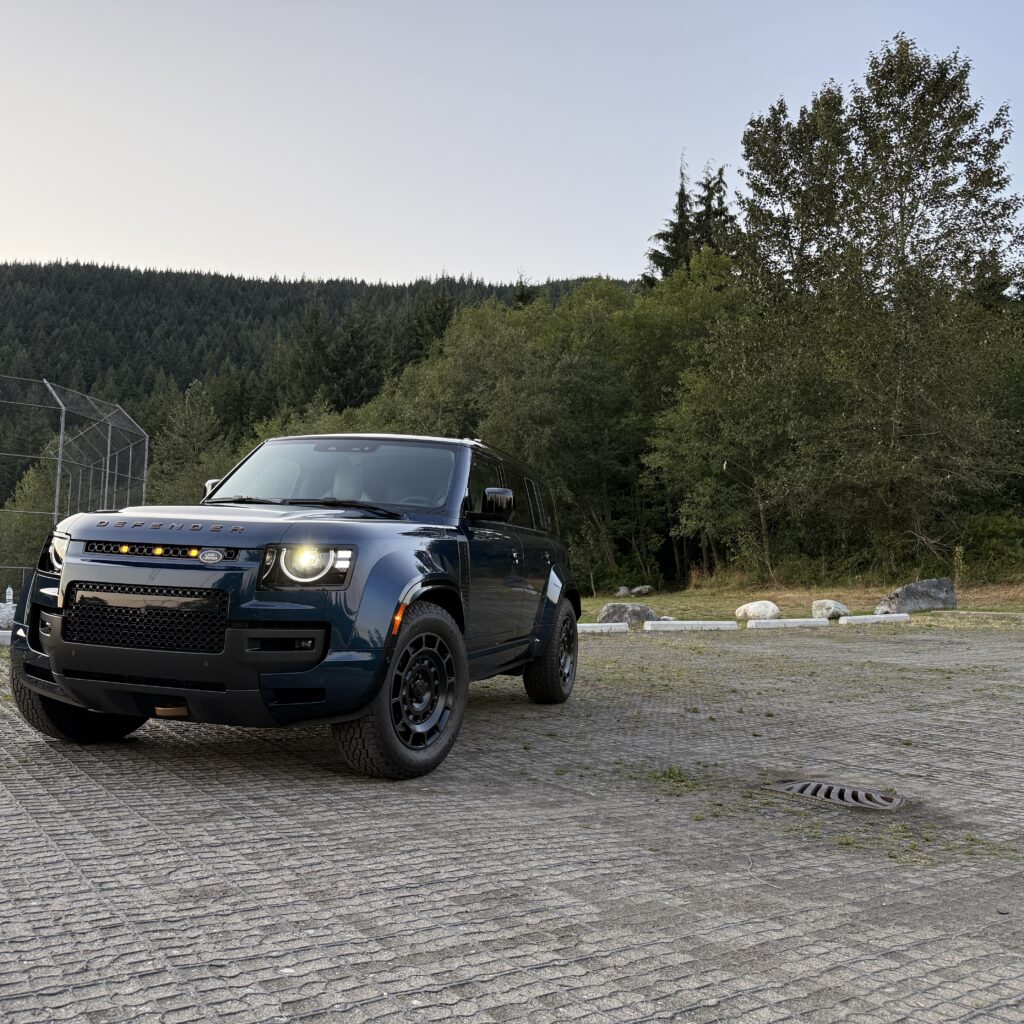
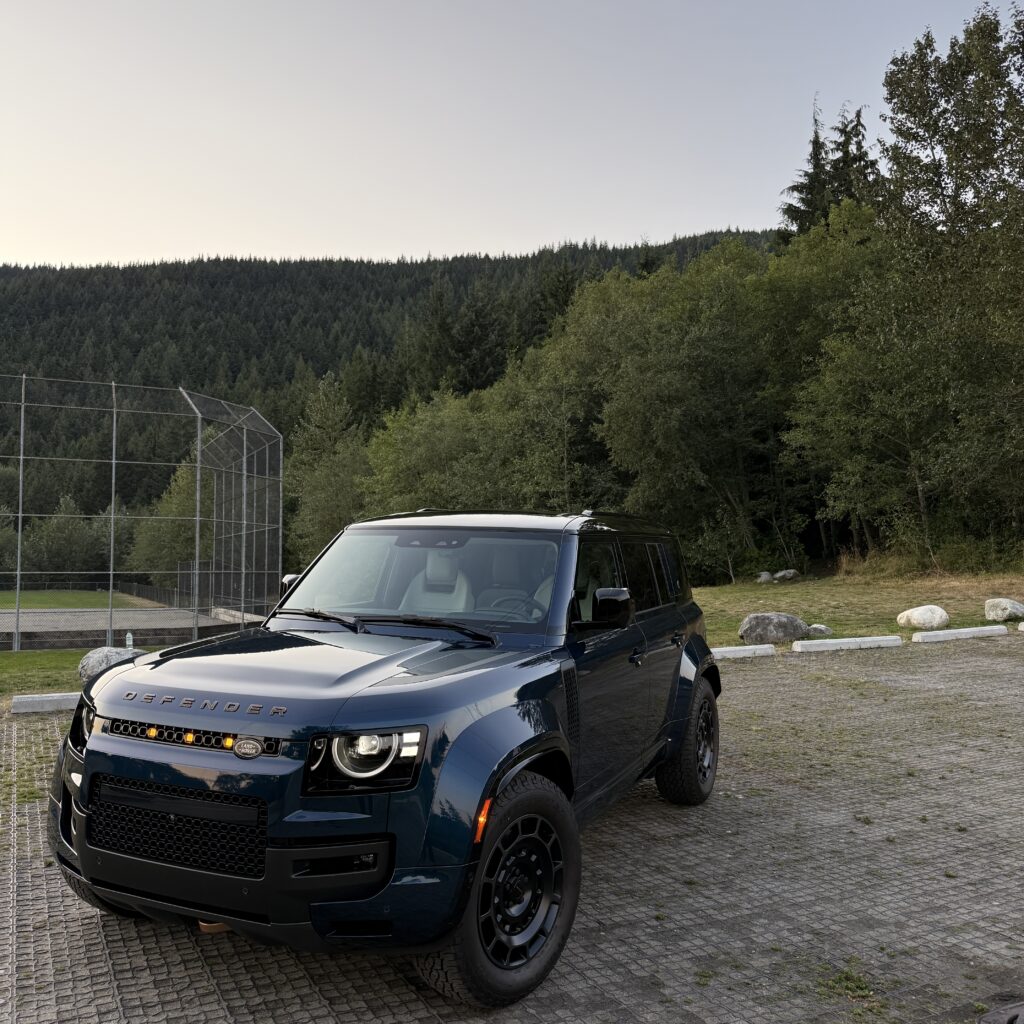
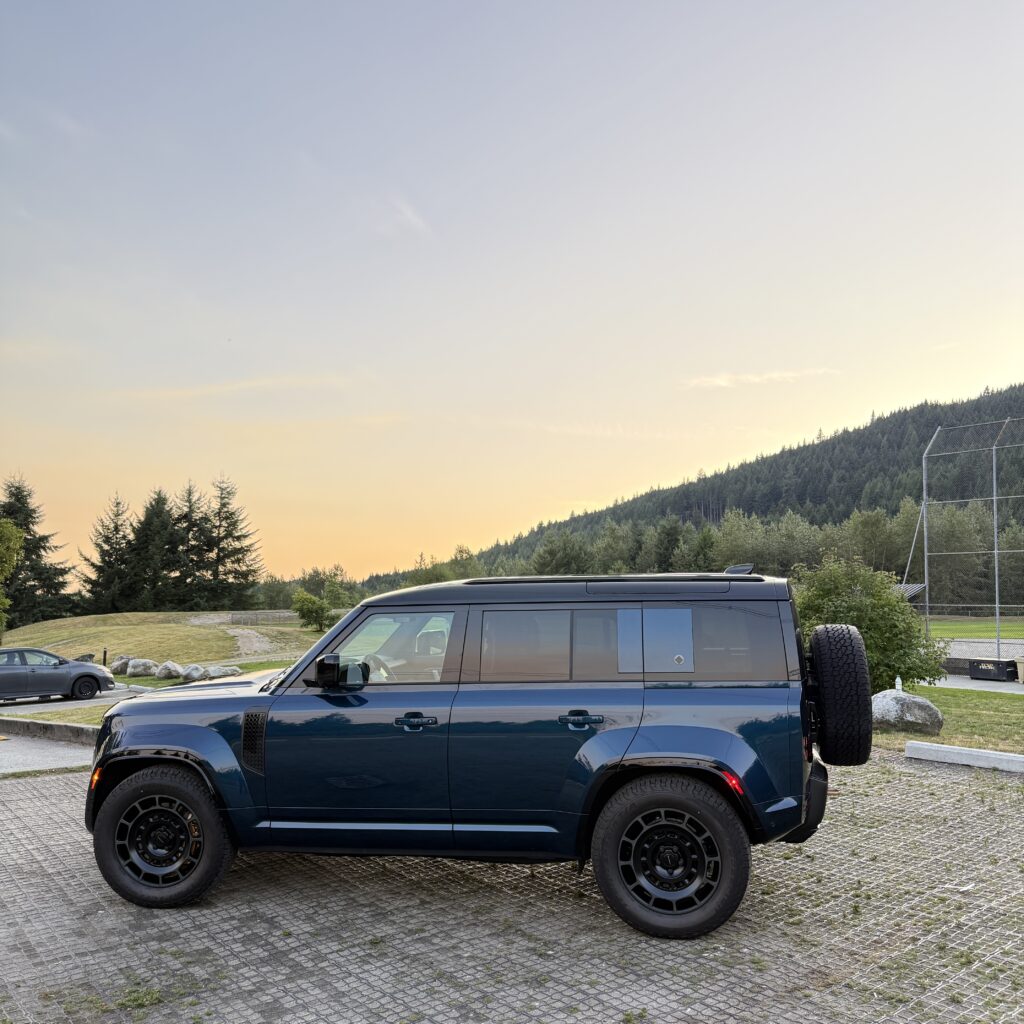
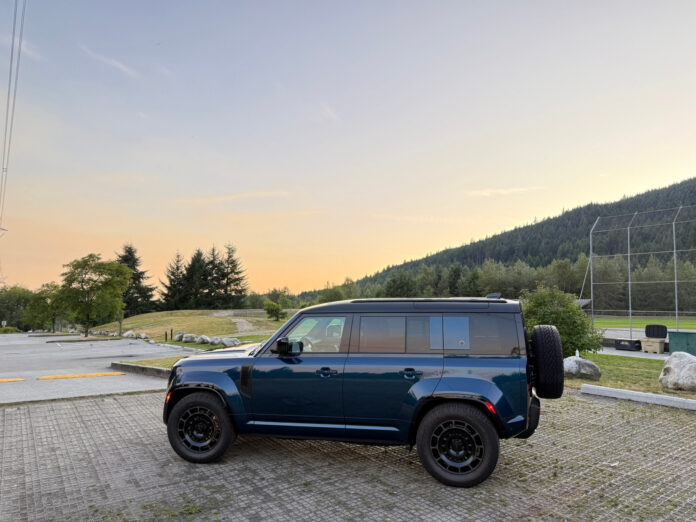
The standard Defender has always had presence. Its squared-off roofline, upright glasshouse, broad shoulders, and no-nonsense proportions make it one of the few modern luxury SUVs that looks equally convincing at a trailhead, ski hill, marina, or hotel entrance.
The OCTA adds menace without losing that familiar Defender identity.
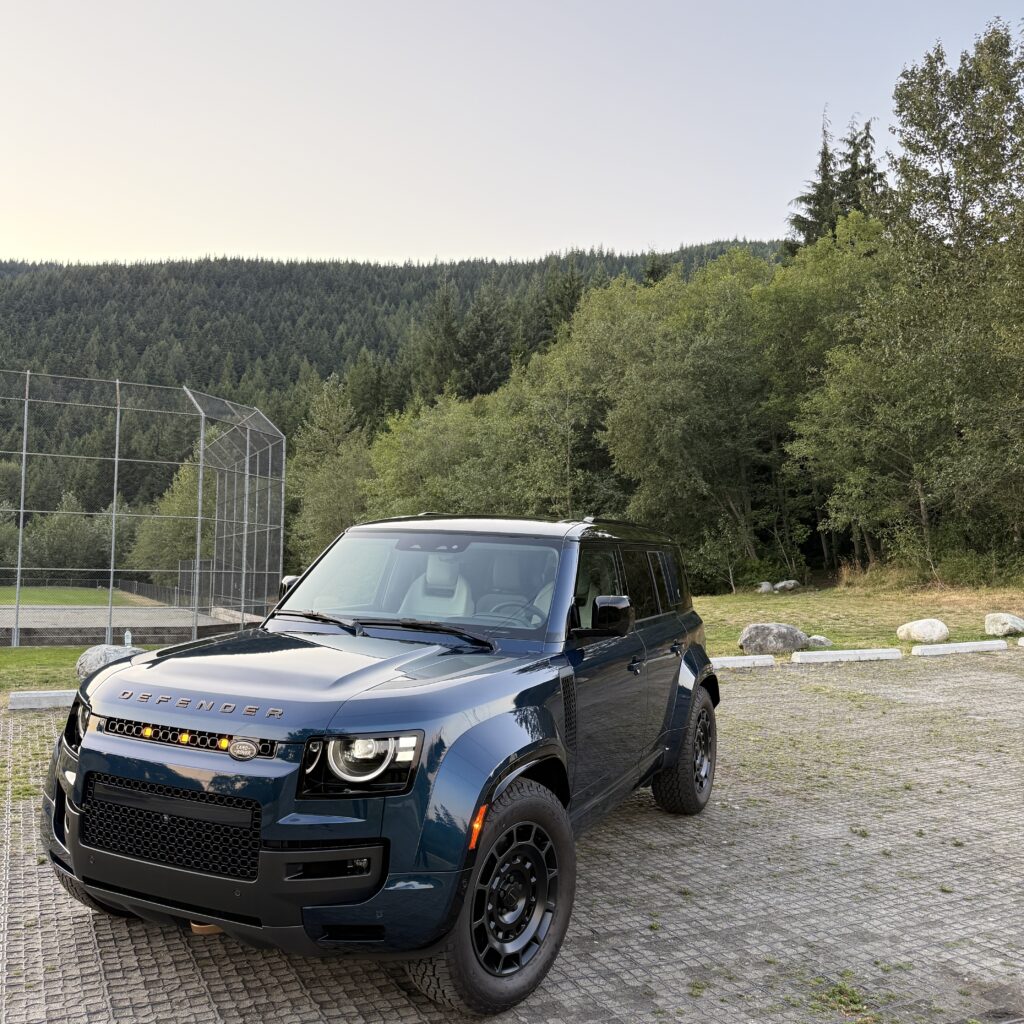
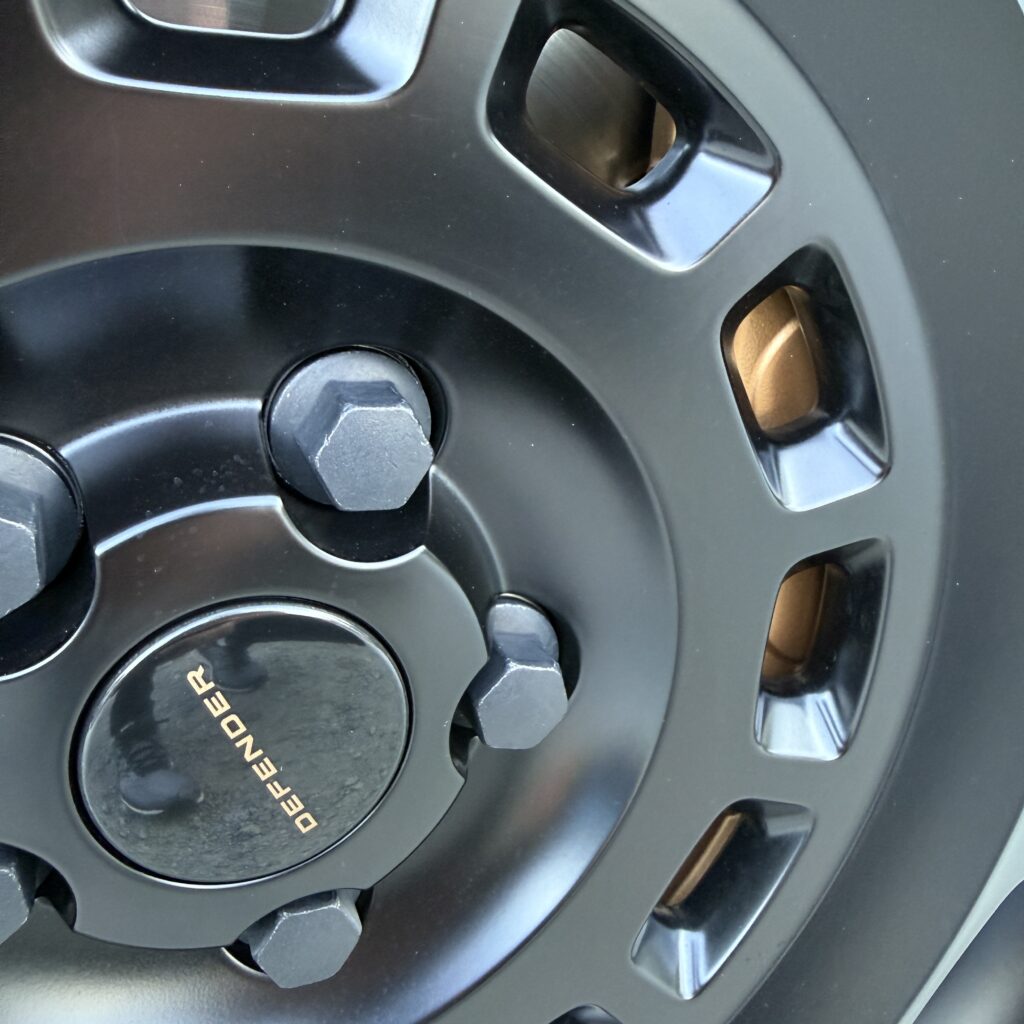
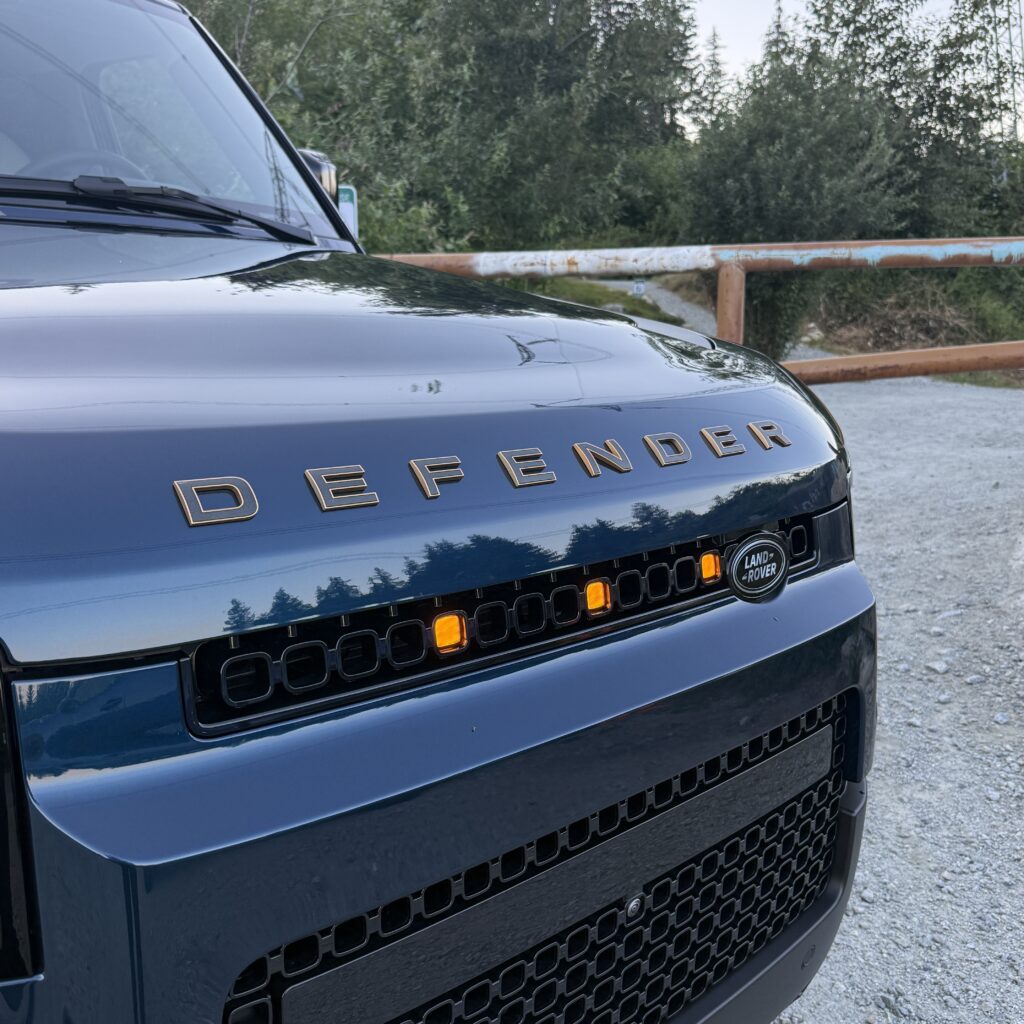
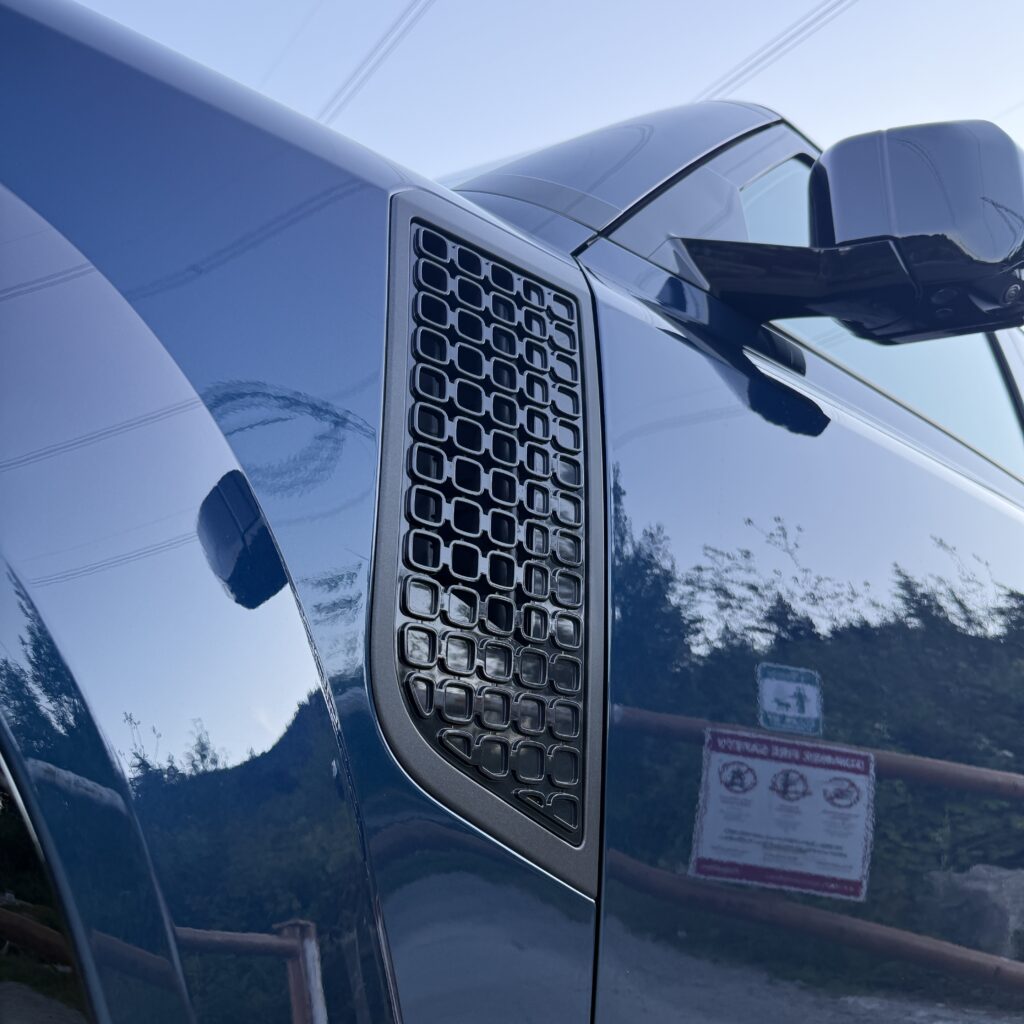
A revised grille and bumper arrangement improve cooling for the V8, while the front undershield offers meaningful protection when the terrain gets serious. Wider wheel arches, exclusive wheel designs, and OCTA-specific details make it clear that this is no ordinary Defender. It looks more muscular, more expensive, and more determined to take the less beaten path.
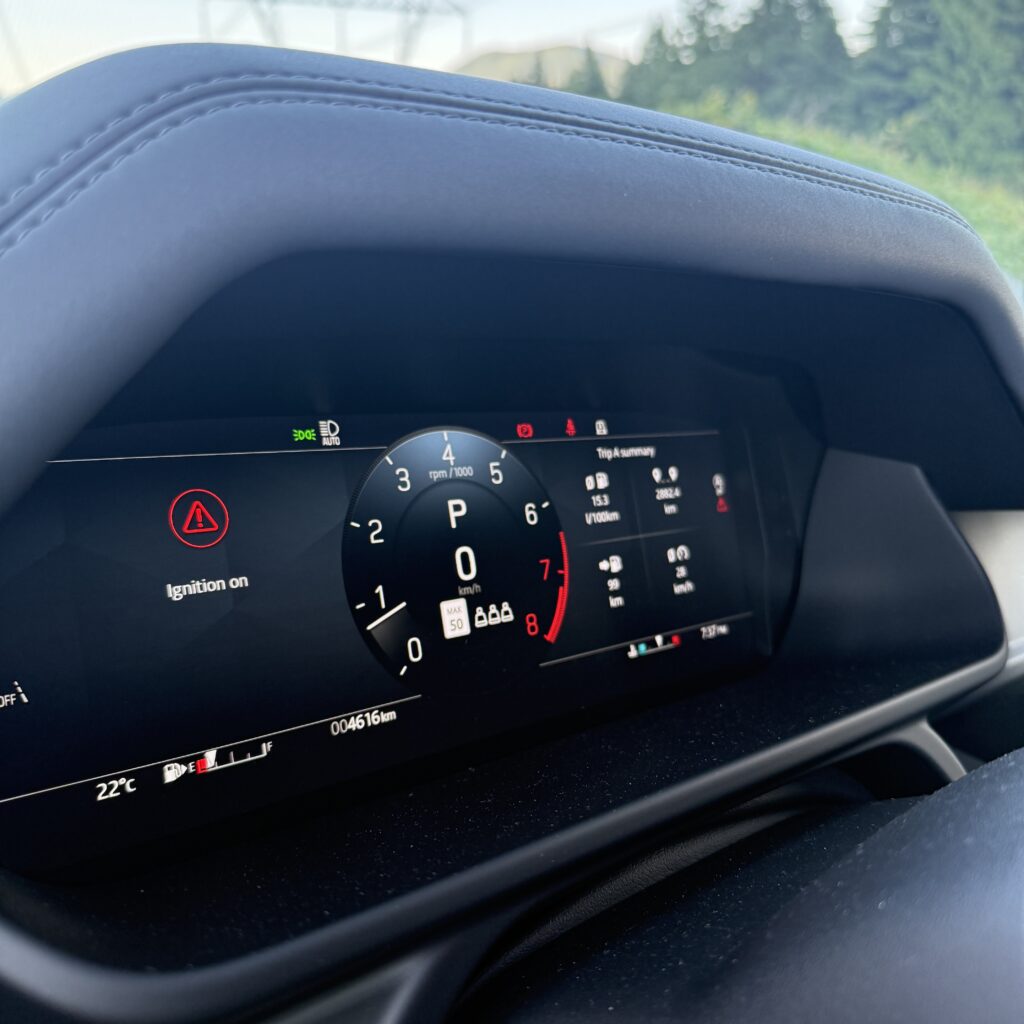
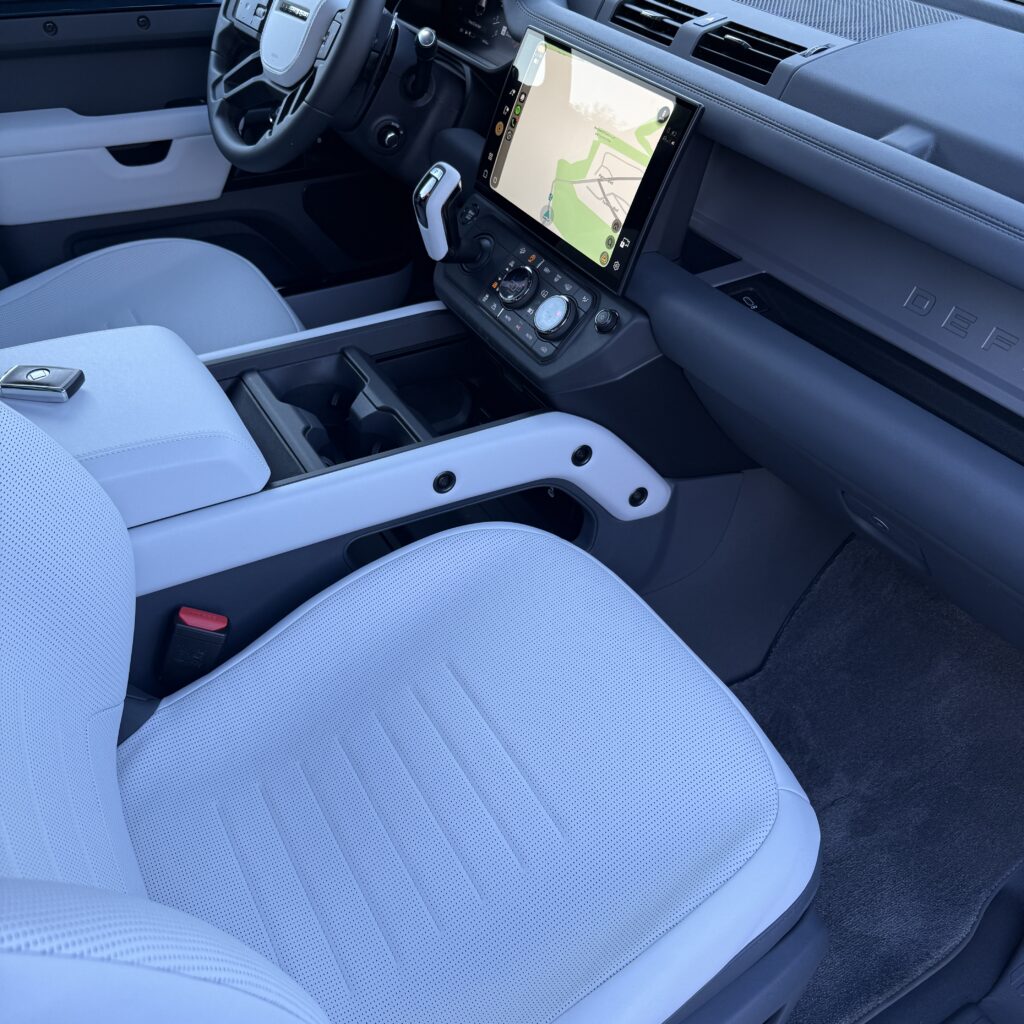
The interior follows the same formula. It remains recognizably Defender—robust, upright, practical, and modern—but the OCTA adds more performance-oriented seating, distinctive trim, and available Body and Soul Seat technology. The system uses the seats to transmit vibrations in sync with the audio system, which sounds slightly ridiculous on paper, but so does putting 626 horsepower into a luxury off-roader.
There are few places in Canada where the Defender OCTA makes more sense than British Columbia. That may sound egotistical considering its price, thirst, and immense capability, but the province has a way of asking more from a vehicle than most urban environments.
One day, you could be navigating city traffic. The next, you could be heading up the Sea to Sky Highway toward Whistler, dealing with rain, cold, gravel, snow, and roads that reward a vehicle with strong brakes, real composure, and all-weather confidence.
Then there are the weekends. The Okanagan, the Interior, the backroads beyond Pemberton, a cabin outside of town, a boat, a trailer, or simply the desire to go somewhere that requires more than a low-profile tire and a sense of optimism. The Defender OCTA has the breadth of ability to handle all of it.
That is its greatest strength.
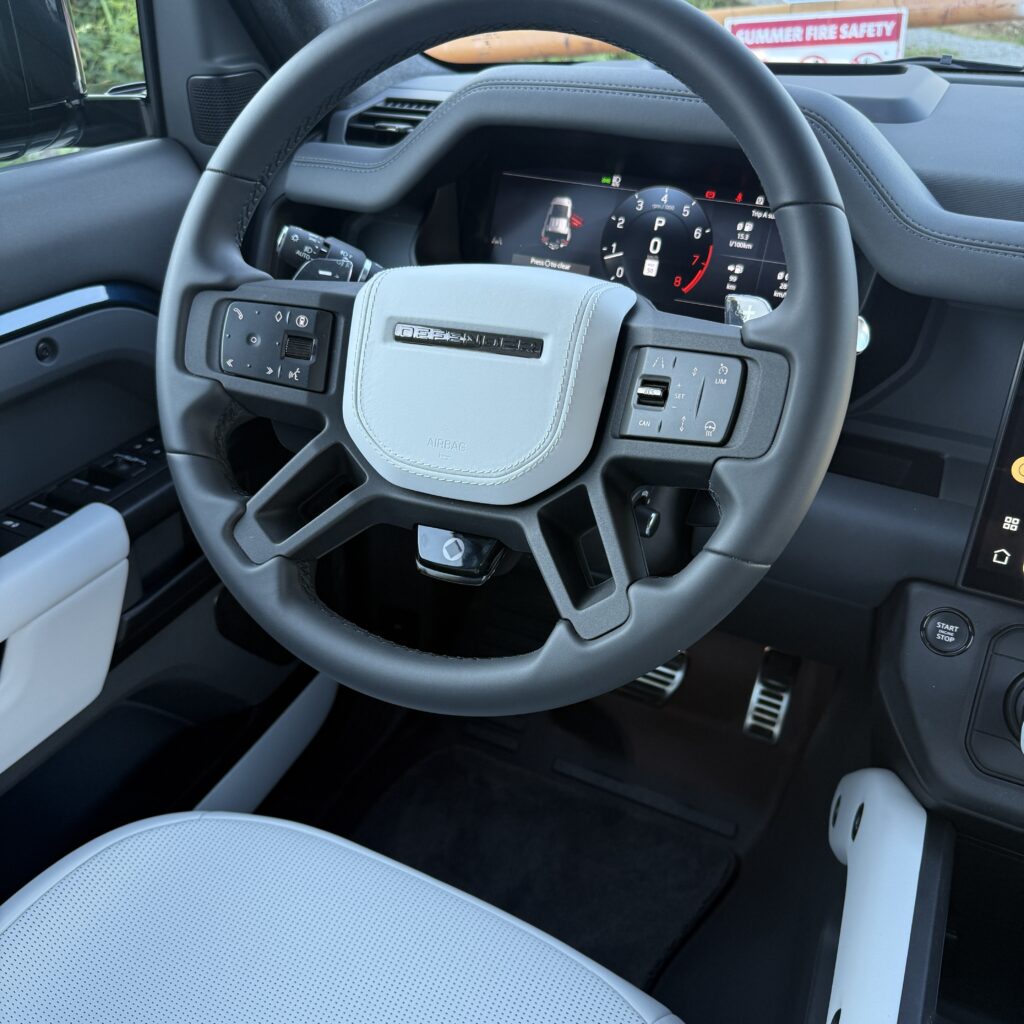
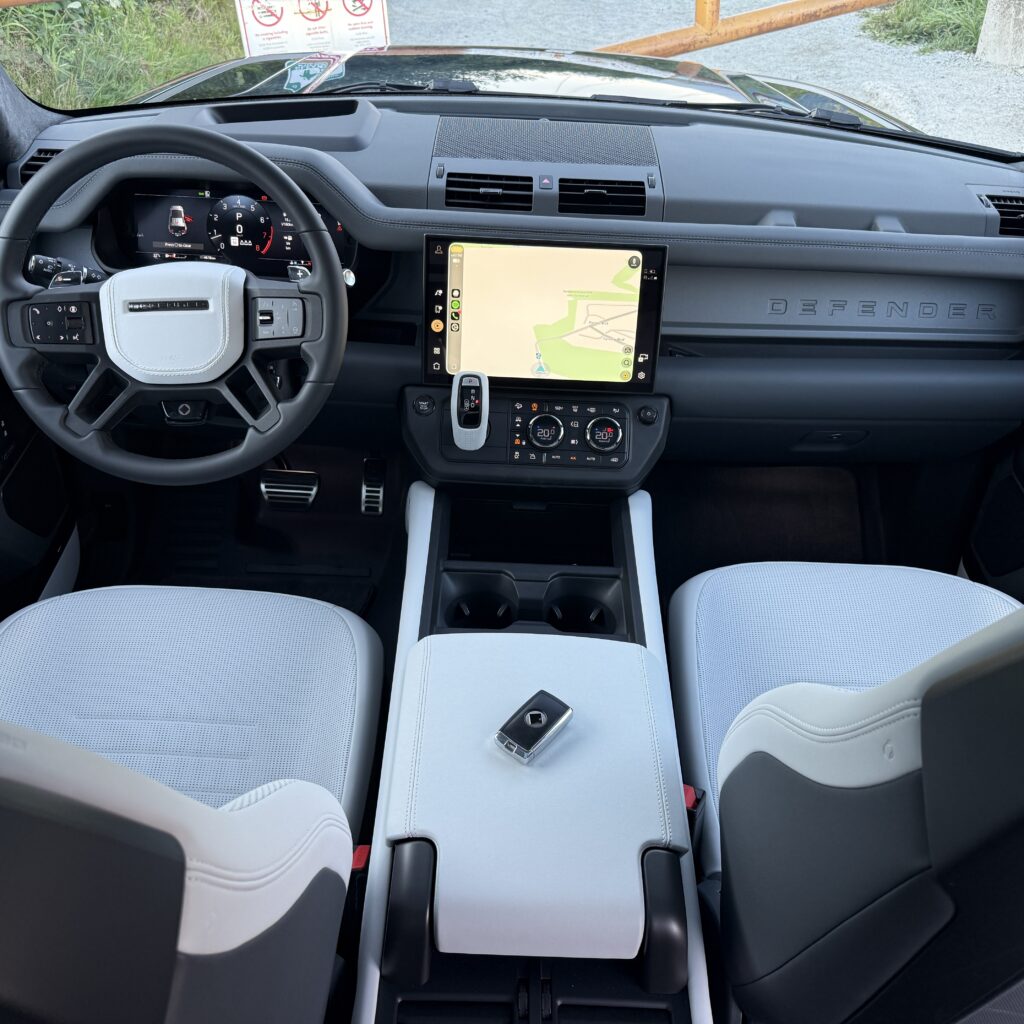
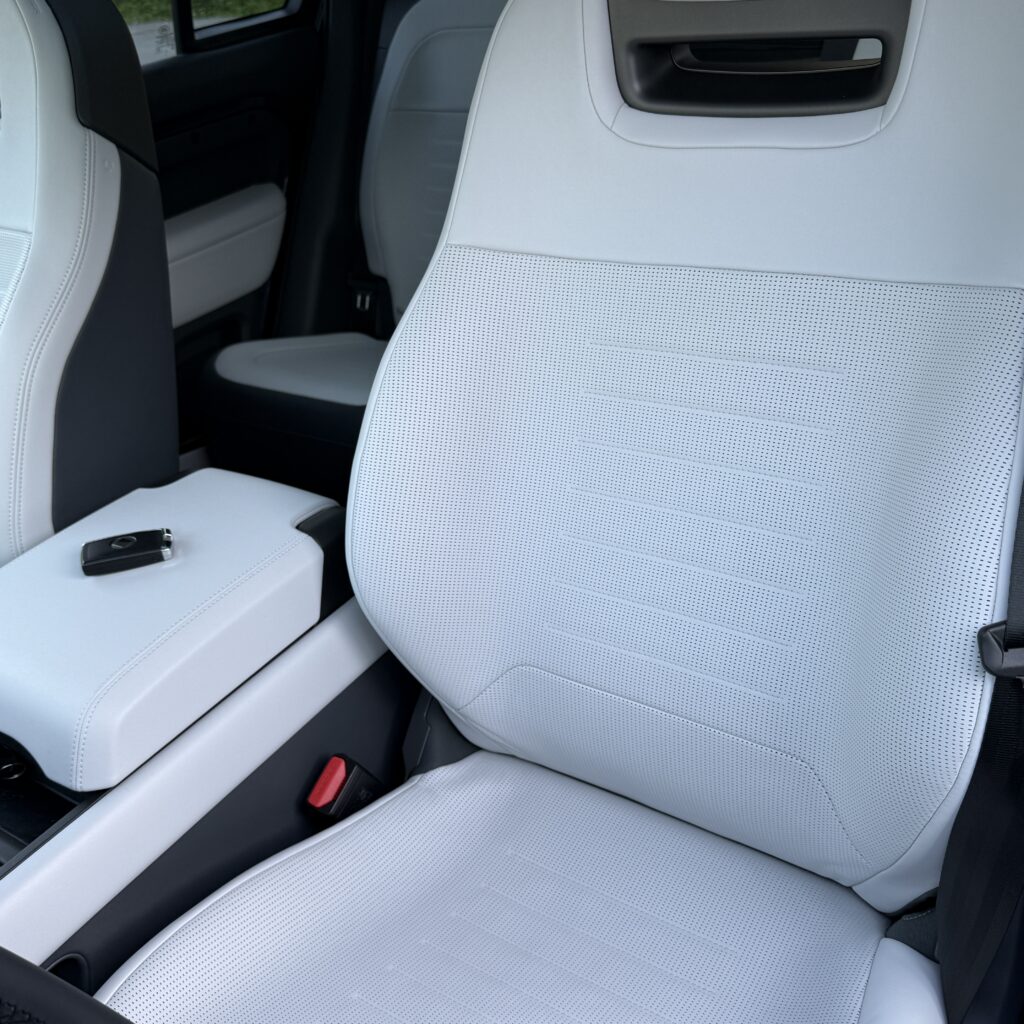
The OCTA is not a delicate performance SUV that needs to be protected from the very conditions it is styled to conquer. It has the pace to make highway driving effortless, the refinement to cover long distances in genuine comfort, and the off-road capability to remain credible when civilization begins to disappear in the rear-view mirror.
There is no escaping the financial reality of the Defender OCTA. In Canada, current pricing begins at $179,400 for the OCTA and $191,600 for the OCTA Black, before taxes, insurance, registration, and options. Once one begins adding premium paint, carbon-fibre details, larger wheels, accessories, and the inevitable dealer charges, it is entirely possible to find oneself approaching or surpassing the $200,000 mark.
That is serious money; money that opens the door to vehicles such as the Mercedes-AMG G 63, Porsche Cayenne Turbo derivatives, BMW’s larger M-badged SUVs, and a variety of exotic performance cars that have no interest whatsoever in being driven through deep snow or over a washboard forest road.
But the Defender OCTA is not trying to beat those vehicles at their own game. It is doing something more difficult.
It offers the kind of occasion, speed, and luxury expected at this price point, while still carrying the rugged authenticity that made the Defender name matter in the first place. It is enormously capable, wonderfully over-engineered, and perhaps a little unnecessary.
Then again, the best vehicles often are. The 2026 Defender OCTA is not for everyone, and it does not need to be. It is for the buyer who wants a luxury SUV that can dominate a highway, turn heads in the city, tow with authority, tackle difficult terrain, and still arrive at a remote lodge looking entirely at home.